
Elijah Canlas, Ralph de Leon square off in ‘Y Speak’ reboot
After more than 15 years off the air, the youth-oriented talk and debate show “Y Speak” is officially back as "Y Speak 2.0," brandishing a new set of hosts and a fresh format.
Kim Asis/Paraluman News
11 May 2026 at 05:26:53

A screen grab of a photo on the official Instagram account of 'Y Speak 2.0'
After more than 15 years off the air, the youth-oriented talk and debate show “Y Speak” is officially back as "Y Speak 2.0," brandishing a new set of hosts and a fresh format.
For its 2026 reboot, the new generation of hosts who have taken over are Elijah Canlas, KD Estrada, River Joseph, Ralph de Leon, Robbie Jaworski, and Aya Fernandez.
The show’s first episode immediately sparked discussion online after hosts Elijah and Ralph faced off in a debate on whether social media influencers should be held to the same standards as journalists. Joining both sides were AB Legal Management students from LPU Manila.
River Joseph, 27, opened the discussion by reminding both teams to keep the debate respectful and organized before KD Estrada officially started the five-minute timer.
Representing Team Y, Elijah, 25, argued that influencers should be held accountable because many people now rely on social media as their main source of information.
“Naniniwala kami na dapat iyong mga social media influencers are held at the same standards as journalists dahil blurred na iyong lines.”
He gave the example of a jeepney driver named “Mang Berto,” who was victimized by a fake TikTok post claiming there would be a fuel rollback the next day.
“Walang signal ang TV niya. Tapos ang primary source ng information niya ay TikTok. Pero nakita niya na hindi pala totoo iyon. Fake news pala iyon,” Elijah said, adding that situations like this show how misinformation can directly affect ordinary people.
He stressed that journalists spend years studying fact-checking, ethics, and responsible reporting, making it “unfair” that some influencers can spread false information without consequences.
Ralph, 25, speaking for Team Y Not, disagreed. “Naniniwala po kami na hindi dapat ilagay sa parehong standard ang influencers at journalists,” Ralph said, adding, “Tulad nga ng sinabi mo, Elijah, dapat journalists pa rin ang number one source of information ng mga tao.”
He argued that journalists and influencers should not be treated the same. “Because journalists are held to a certain standard and code of ethics that make them the go-to source for credible information,” he explained.
Members of Elijah’s team argued that while training improves quality, ethics should not belong exclusively to journalists. They said lack of training should never excuse irresponsibility online, especially now that the line between influencers and journalists has become increasingly blurred.
Meanwhile, Ralph’s team warned that regulating influencers too heavily could affect freedom of expression. One speaker questioned whether ordinary content creators should suddenly be treated like journalists simply because they post online.
They added that putting influencers under the same standards could unintentionally give them more authority and credibility, even when they are not actual journalists.
As the debate continued, Elijah provided another example — a five-year-old kid in the province with limited TV access whose main sources of information are Facebook and TikTok.
“Sisisihin ba natin siya kapag naniwala siya sa fake news dahil sa TikTok?” Elijah asked, pointing out how widespread misinformation online can easily mislead viewers.
Elijah emphasized that many influencers abuse their reach and spread misinformation, even revising history, making accountability necessary.
“Aminin natin, mas malaki pa [minsan] iyong reach ng influencers kaysa journalists. So hindi ba dapat i-hold accountable natin sila to the same standards? Dapat ba mag-aral din sila the same way journalists do.”
Ralph pushed back on the point, questioning the example used. “I really find something intrinsically wrong about Elijah’s argument. Why are we using a five-year-old as an example? That child should not even be on social media in the first place,” he said.
He added that the bigger responsibility should be on parents and guardians to guide what children consume online. “They should know better and be able to tell who is credible and who they should be watching out for. That’s why there are standards for journalists. Alam nila kung sino ang dapat pakinggan,” he said.
He also pointed out that journalism exists precisely because trained reporters are expected to deliver verified facts to the public.
When the debate ended, Aya Fernandez signaled time, while KD commended both sides for the exchange and said the discussion showed how complex issues like misinformation and media responsibility can be.
Aya echoed the same sentiment, saying the goal of “Y Speak 2.0” is not to decide who is right or wrong, but to widen perspectives and encourage meaningful conversations among young Filipinos.
The revival is produced in partnership with Caritas Philippines, led by executive director Father Tito Caluag and director Alco Guerrero.
The original Y Speak premiered in 2004 and focused on youth issues and debates, with Bianca Gonzalez, Ryan Agoncillo, and Karen Davila as hosts.
TOP ENTERTAINMENT STORIES

Major winners of Broadway's 2026 Tony Awards
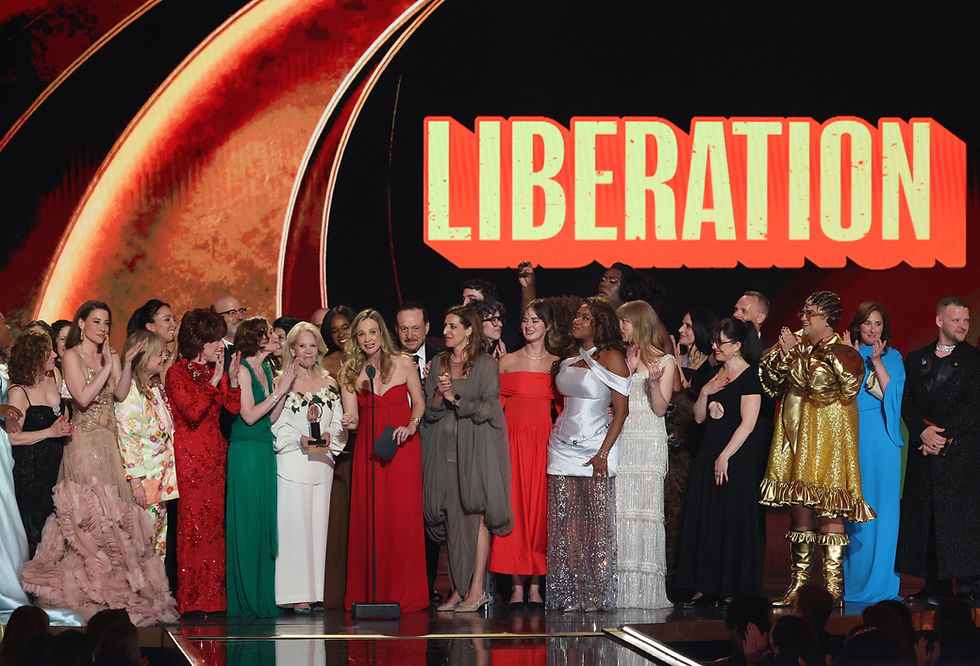
2026 Pulitzer Prize winner 'Liberation' wins Tony Award for best play
Hollywood workers rally against Paramount-Skydance deal
LATEST NEWS

Authorities verifying reports of five deaths from magnitude 7.8 quake in General Santos
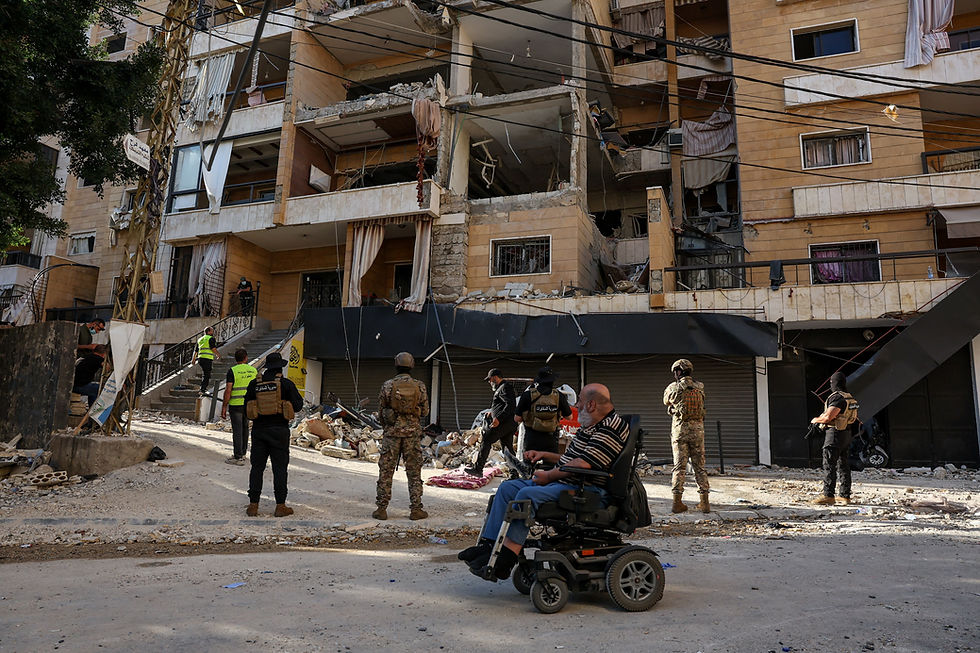
Israel hits Iran with new strikes despite Trump admonition
PH issues tsunami warning after magnitude 7.8 earthquake strikes Mindanao
GET IN TOUCH
desk@myparaluman.ph
Tektite Towers (East), Exchange Road
Ortigas Center. San Antonio 1600
City of Pasig, NCR, Philippines
+63284298877
MENU
© 2026 Paraluman News Publication