
India allows export-zone factories to sell domestically at reduced duties, aiming to ease costs amid Middle East trade disruptions and rising tariffs. The move also helps domestic industries use surplus capacity and limit reliance on expensive imports.
India allows export zones to sell locally as Middle East conflict dampens trade
India allows export-zone factories to sell domestically at reduced duties, aiming to ease costs amid Middle East trade disruptions and rising tariffs. The move also helps domestic industries use surplus capacity and limit reliance on expensive imports.
April 1, 2026
Aditi Shah and Nikunj Ohri/Reuters

FILE PHOTO: A worker welds a steel bar at a steel processing production line of a factory in Mandi Gobindgarh, in the northern state of Punjab, India, August 14, 2025.
Bhawika Chhabra/Reuters
India will allow factories in export‑focused zones to sell goods domestically at lower import duties, according to a government order, as conflict in the Middle East disrupts trade.
The measure was announced in the February budget to shield exporters from higher U.S. tariffs, but analysts say it has gained urgency as the Iran war threatens energy supplies and pushes up freight and oil costs.
The relief applies to factories in Special Economic Zones (SEZs), which are primarily set up for exports and allow companies to import raw materials duty free.
Under the order, SEZ businesses can sell a capped share of products including chemicals, engineering goods, heavy machinery, textiles, footwear, pharmaceuticals, electronics and consumer items in the domestic market while paying reduced customs duties, instead of the full import tax applied to foreign goods.
The reduced duties vary by product, with customs rates of about 5% to 12.5%, rather than the higher levies applied to comparable imports, the order showed.
The relief will apply from April 1, 2026 to March 31, 2027 and will be available to businesses that began production on or before March 31, 2025.
The policy will help Indian exporters navigate rising tariff barriers, geopolitical uncertainty and supply chain disruptions as the Middle East conflict disrupts key trade routes, said Krishan Arora, a partner at consultancy Grant Thornton LLP.
"It will also allow domestic industry to tap unused SEZ capacity and reduce reliance on imports that are becoming costlier and more delayed," said Arora.
The move aims to make surplus capacity utilisation more cost-effective, said Rajiv Chugh, a partner at EY India, noting that SEZ units typically face higher import duties when selling in the domestic market.
Lowering these duties also reduces incentives to route imports through countries with which India has free trade agreements, said Chugh.
-Reporting by Aditi Shah and Nikunj Ohri. Additional reporting by Shivangi Acharya; Writing by Chris Thomas and Hritam Mukherjee. Editing by Shri Navaratnam and Mark Potter/Reuters
TOP BUSINESS STORIES

Add a Title
Add a Title
Add a Title

China's railway hit new single-day passenger record on May Day

Aviation industry's first casualty of Iran war: US low-cost Spirit Airlines shuts down

Amid Iran war, Venezuela's oil exports jump to highest since 2018
LATEST NEWS
Add a Title
Add a Title
Add a Title

At least 10 dead from Kenya floods and landslides
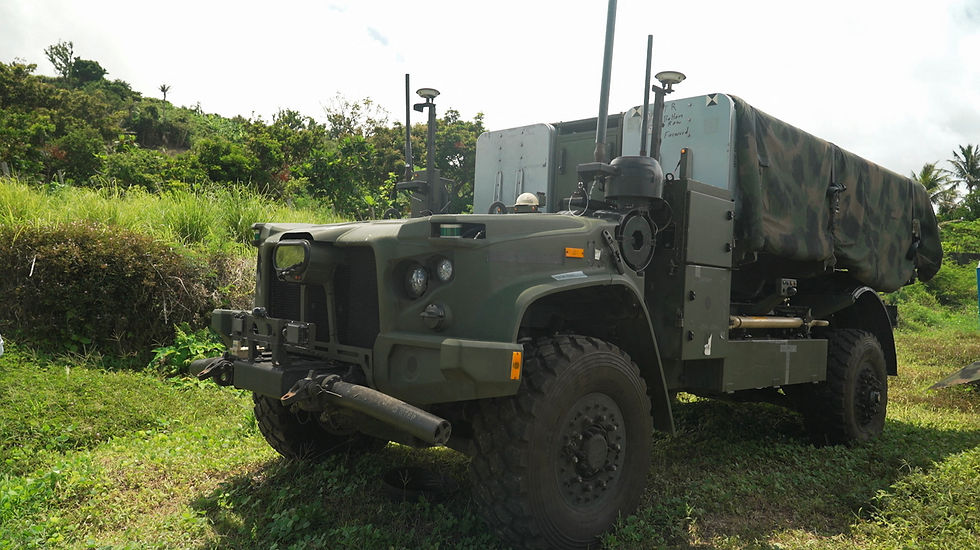
US, Philippines deploy anti-ship missile system in Batanes near Taiwan for war games

Nobel Peace Prize winner Narges Mohammadi in Iran hospital after 'cardiac crisis'
PARALUMAN NEWS
GET IN TOUCH
desk@myparaluman.ph
Tektite Towers (East), Exchange Road
Ortigas Center. San Antonio 1600
City of Pasig, NCR, Philippines
MENU
EDITORIAL STANDARDS
© 2025 Paraluman News Publication