

Venezuela’s oil output faces years of delays despite U.S. investment promises, with political and infrastructure challenges limiting immediate gains.
EXPLAINER: Who will benefit from Venezuelan oil after the U.S. intervention?
Venezuela’s oil output faces years of delays despite U.S. investment promises, with political and infrastructure challenges limiting immediate gains.
January 13, 2026
Reuters

A view of the Nico Lopez oil refinery as U.S.-Cuba tensions rise after U.S. President Donald Trump vowed to stop Venezuelan oil and money from reaching Cuba and suggested the communist-run island to strike a deal with Washington, in Havana, Cuba, January 11, 2026.
Norlys Perez/Reuters
Venezuela is unlikely to see any meaningful boost to crude output for years even if U.S. oil majors do invest the billions of dollars in the country that President Donald Trump promised just hours following Nicolas Maduro's capture by U.S. forces.
The South American country may have the world's largest estimated oil reserves, but output has plummeted over the past decades amid mismanagement and a lack of investment from foreign firms after Venezuela nationalized oil operations in the 2000s that included the assets of Exxon Mobil (XOM.N), and ConocoPhillips (COP.N)
WHAT ARE THE POTENTIAL RISKS ON THE GROUND?
Any companies that might want to invest there would need to deal with security concerns, dilapidated infrastructure, questions about the legality of the U.S. operation to snatch Maduro and the potential for long-term political instability, analysts told Reuters.
Venezuela would also have to reform its laws to allow for larger investment by foreign oil companies.
Venezuela nationalized the industry in the 1970s, and in the 2000s ordered a forced migration to joint ventures controlled by its state oil company, PDVSA. Most companies negotiated exits and migrated, including Chevron, while a handful of others did not reach deals and filed for arbitration.
WHO ARE THE PLAYERS?
Chevron would be positioned to benefit the most from any potential oil opening in Venezuela, said Francisco Monaldi, director of the Latin America Energy Program at Rice University's Baker Institute in Houston. Other U.S. oil companies would be paying close attention to political stability and would wait to see how the operational environment and contract framework unfolded, he added.
Spanish energy firm Repsol (REP.MC) holds stakes in a mix of producing and yet-to-produce onshore and offshore oil and gas fields in Venezuela, including Petroquiriquire and Cardón IV West, which it runs with Eni (ENI.MI)
In March 2025, the U.S. told Repsol a license it had granted the company to operate in Venezuela had been revoked. Under a previous permit, Repsol agreed to receive oil from PDVSA as debt repayment.
Repsol has said Venezuela owes it 586 million euros ($683.63 million). A spokesperson declined to comment on Monday.
WHAT IS VENEZUELA'S CURRENT SITUATION?
Recovery assumptions sit against a grim backdrop.
Venezuela’s economy shrank dramatically after 2013 when oil production fell off a cliff, inflation spiraled and poverty surged. Although output has stabilized somewhat, lower global oil prices and discounts to Venezuela's crude prices limit revenue gains, leaving little room to service debt without deep restructuring. The recent U.S. blockade of sanctioned oil tankers has exacerbated the situation.
Trump said American oil companies were prepared to tackle the difficult task of entering Venezuela and investing to restore production but details and timelines remain unclear. Chevron is the only American major currently operating in Venezuela's oil fields.
Venezuela - a founding member of OPEC with Iran, Iraq, Kuwait and Saudi Arabia - produced as much as 3.5 million barrels per day in the 1970s, which at the time represented over 7% of global oil output. Production fell below 2 million bpd during the 2010s and averaged around 1.1 million bpd last year, or just 1% of global production.
WHAT THE FUTURE HOLDS?
OPEC and allies are expected to maintain current oil output policy in the near future. The group has been increasing production since last year, stoking concerns of a global supply glut, but has agreed to pause oil output hikes for January, February and March.
Oil tankers chartered by Chevron had been among the few to set sail from Venezuela over the past month, following Trump's December announcement of a "blockade"
That's perhaps where one quick win could emerge, if Trump is able to restart the flow of Venezuelan crude into the U.S. Gulf, potentially boosting refiners like Valero in the process. At the moment, it appears that just the opposite is happening.
Production: Deniz Uyar/Reuters
TOP BUSINESS STORIES

Add a Title
Add a Title
Add a Title
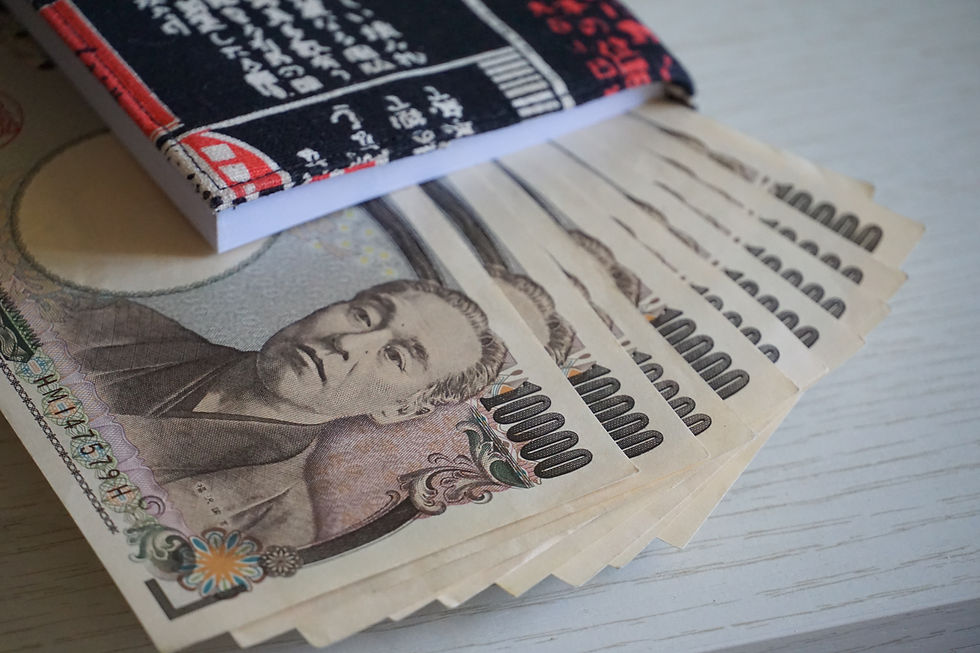
FOREX: Yen steadies as traders gird for election, intervention fears lurk

Trump imposes 25% tariff on imports of some AI chips
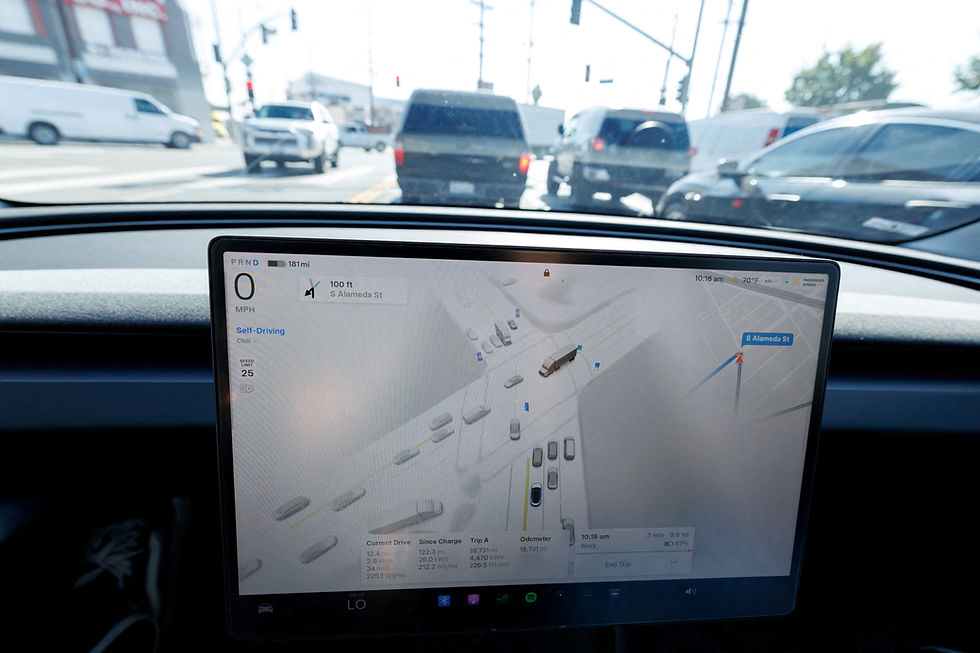
Tesla agrees to mediation that could resolve US agency's racism lawsuit
LATEST NEWS
Add a Title
Add a Title
Add a Title
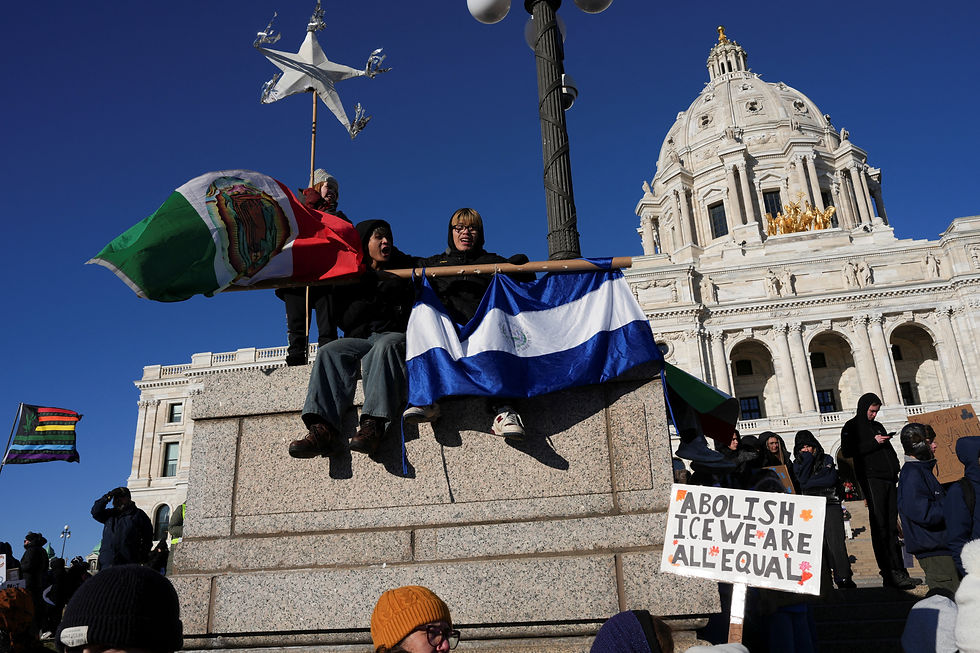
Students protest against ICE outside Minnesota State Capitol

Astronauts begin early return flight from space station with ailing crew member

Iran temporarily closes airspace to most flights
GET IN TOUCH
MENU
EDITORIAL STANDARDS
© 2025 Paraluman News Publication