
Global markets are navigating uncertainty as hopes for a U.S.-Iran deal buoy oil prices below $100, despite risks of renewed conflict. Investors are eyeing Friday's key developments, including the Euro zone's trade balance, as they reflect on the shifting geopolitical landscape and its impact on global currencies and commodities.
MORNING BID EUROPE: Markets catch their breath as weekend diplomacy beckons
Global markets are navigating uncertainty as hopes for a U.S.-Iran deal buoy oil prices below $100, despite risks of renewed conflict. Investors are eyeing Friday's key developments, including the Euro zone's trade balance, as they reflect on the shifting geopolitical landscape and its impact on global currencies and commodities.
April 17, 2026
REUTERS

FILE PHOTO: A vessel in the Strait of Hormuz, off the coast of Oman’s Musandam province, April 12, 2026.
Stringer/File Photo/Reuters
As markets wind down ahead of the weekend, traders are in a cautious "TGIF" mood, influenced by ongoing geopolitical tensions and mixed economic signals. A potential deal between the U.S. and Iran has brought a glimmer of optimism, helping keep oil prices below $100 per barrel. However, the continued closure of the crucial Strait of Hormuz remains a threat, and the risk of hostilities resuming is ever-present.
Investors have been leaning into U.S. President Donald Trump’s recent remarks that peace talks could be back on track by the weekend. These comments have sparked hope that the long-running conflict, which ignited on February 28 following U.S.-Israeli strikes on Iran, might soon come to an end. The war, however, has already caused an energy shock, prompting the International Monetary Fund (IMF) to downgrade its global economic outlook.
The effects of the war continue to be felt, particularly in Europe, where industries ranging from airlines to retailers are facing uncertain futures. Higher energy costs, supply chain disruptions, and slower growth have already started to reflect in gloomy corporate forecasts, despite expectations for a strong first quarter.
Markets experienced a jolt in March, as investors sought refuge in the U.S. dollar, but a two-week ceasefire in early April and the potential for peace sparked a sharp risk-on rally. Major stock bourses have largely recovered, returning to pre-war levels, and the dollar has relinquished much of its safe-haven gains. Positive sentiment also followed the announcement of a 10-day ceasefire between Lebanon and Israel, which began on Thursday.
However, by Friday, market activity began to show signs of hesitation, with European futures pointing to a quieter opening, while Asian stocks—although slightly down on the day—were poised for a solid weekly gain.
In the U.S., stocks have surged to record highs following the Iran war-driven selloff in March, with analysts suggesting the rally has more room to run. The broader market sentiment remains bullish, particularly with the ongoing reshaping of geopolitics through commodities. Currencies such as the Norwegian krone, Canadian dollar, and the Australian and New Zealand dollars are positioned to outperform their larger counterparts in this environment.
Meanwhile, the Japanese yen is back hovering near the 160 per dollar mark, though the prospect of intervention seems less imminent than it did previously. Investors are awaiting comments from Bank of Japan Governor Kazuo Ueda, who has refrained from signaling any rate hike this month, leaving market participants in anticipation.
Key Developments to Watch on Friday:
Euro Zone trade balance for February
U.S. market performance updates: Read More
-Reporting by Ankur Banerjee; Editing by Shri Navaratnam/Reuters
TOP BUSINESS STORIES

Add a Title
Add a Title
Add a Title

China's global EV push reflects its ambition - and harsh economics at home

Russian billionaires boost wealth by 11% over a year despite war and sanctions — Forbes

Sainsbury's echoes Tesco warning as Iran war weighs on outlook
LATEST NEWS
Add a Title
Add a Title
Add a Title
_JPG.jpg)
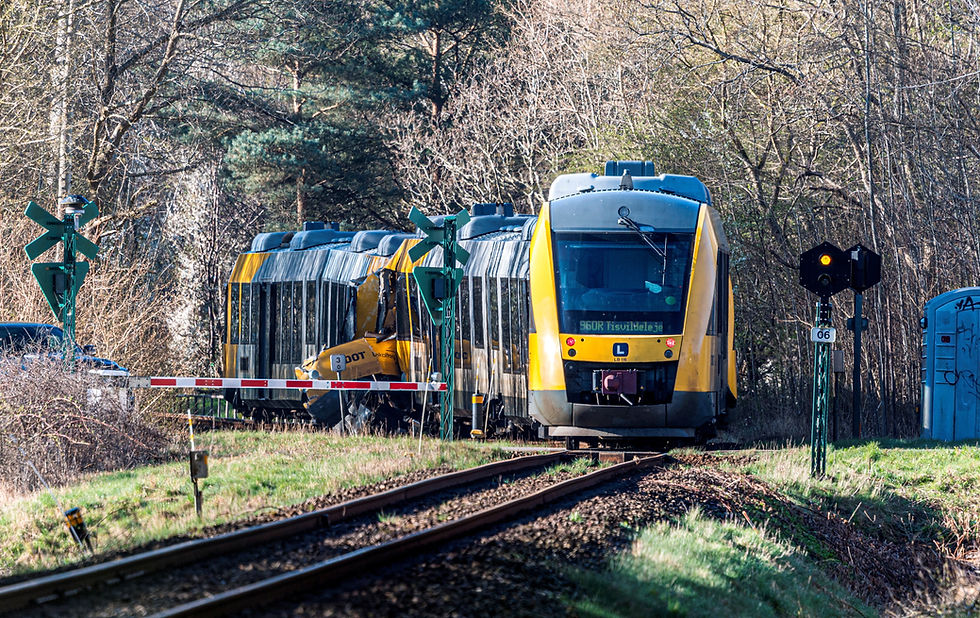
17 people injured as two trains collide in Denmark
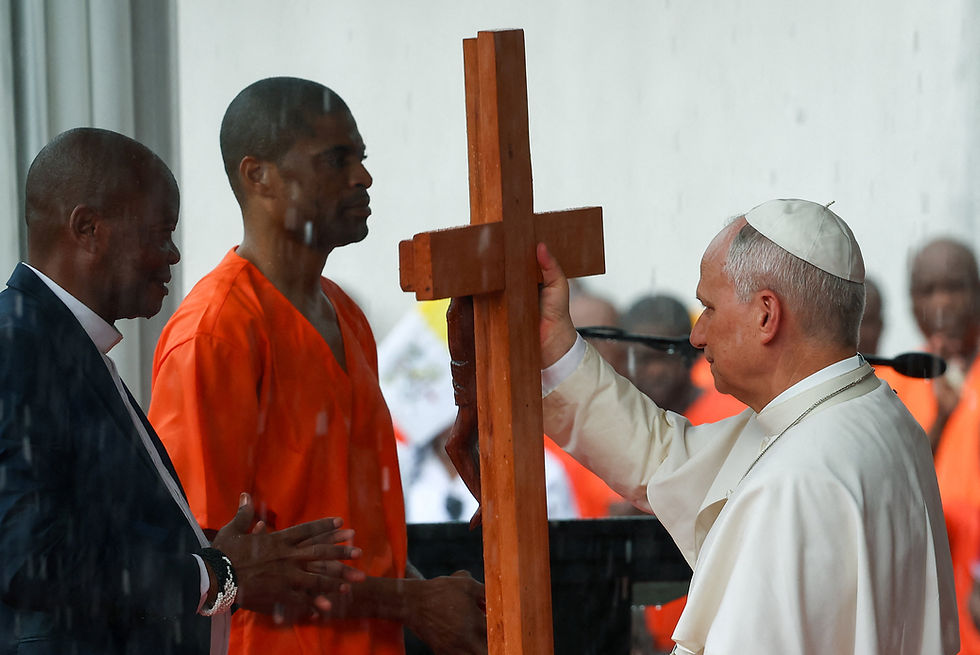
Pope Leo visits prison in Equatorial Guinea on last day in Africa

Drone attacks in south Lebanon strain ceasefire on eve of Israel-Lebanon talks
PARALUMAN NEWS
GET IN TOUCH
desk@myparaluman.ph
Tektite Towers (East), Exchange Road
Ortigas Center. San Antonio 1600
City of Pasig, NCR, Philippines
MENU
EDITORIAL STANDARDS
© 2025 Paraluman News Publication