
Pipeline construction has started on Romania’s Neptun Deep project, one of the EU’s largest offshore gas developments. Once operational, it is expected to significantly boost Romania’s output and strengthen Europe’s energy independence.
Pipeline work starts on Romania's biggest Black Sea gas project
Pipeline construction has started on Romania’s Neptun Deep project, one of the EU’s largest offshore gas developments. Once operational, it is expected to significantly boost Romania’s output and strengthen Europe’s energy independence.
May 04, 2026
Reuters

Pipe segments at the construction site for the onshore component of the Neptun Deep gas extraction project in Tuzla, near Constanta, Romania, May 4 2026.
Inquam Photos/George Calin/Reuters
Work has begun to lay pipelines for Romania's Neptun Deep Black Sea gas project, one of the European Union's most significant energy deposits with an estimated 100 billion cubic meters of recoverable gas.
Once it starts producing gas in 2027, Neptun Deep will double Romania's gas production and likely turn it into a net exporter at a time when the EU is weaning itself off Russian gas. It will also supply Germany and Moldova, with other European countries like Slovakia also showing interest.
The project is a joint venture between OMV Petrom, majority-controlled by Austria's OMV, and Romania's state-owned Romgaz.
"It gives Romania a much bigger stage in the European Union, and this is what these big energy projects can do," OMV Petrom CEO Christina Verchere said at a ceremony on Monday to mark the official start of the pipeline work.
"I think it's a reminder to us that when you have access to indigenous natural gas here in Europe, that we should develop it and make sure that we can bring it into the market."
Two ships, owned by Italy's Saipem, will lay 160 kilometres (99 miles) of pipeline from offshore wells to land, where works on a gas metering plant are in full swing.
OMV Petrom senior executive Cristian Hubati said laying the pipeline will last two months while the plant will be finalised by summer.
The ships, Castoro 10 and Castorone, are among a fleet of 50 vessels which will be in the Black Sea this year helping build Neptun Deep.
"That we have begun installing (the pipeline) shows we are on schedule to delivering this project," Romgaz CEO Razvan Popescu said.
The company has six deep water wells left to dig. Parts of the production platform are being built in Indonesia and Italy and are scheduled to arrive in the Black Sea later this year.
The Black Sea, crucial for shipments of grain, oil and oil products and home to offshore drilling projects, is shared by Bulgaria, Romania, Georgia, Turkey and Ukraine, as well as Russia via Crimea.
Production: George Calin, Anna Lubowicka/Reuters
TOP BUSINESS STORIES

Add a Title
Add a Title
Add a Title
Pipeline work starts on Romania's biggest Black Sea gas project

Most Strait of Hormuz shipping at a standstill despite latest US pledge
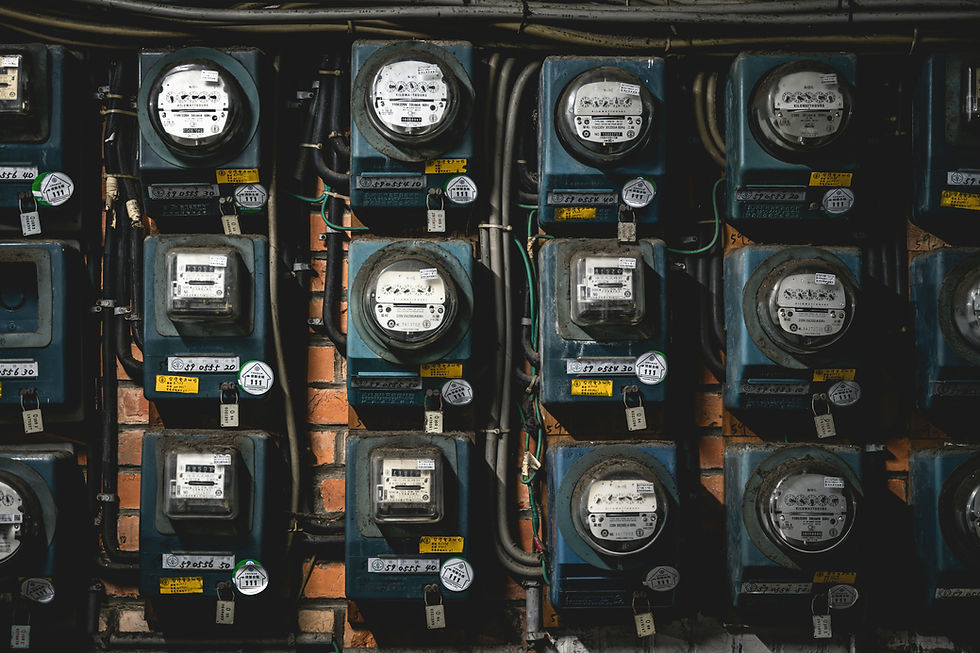
Senator Hontiveros files bill to remove VAT on electricity loss charges
LATEST NEWS
Add a Title
Add a Title
Add a Title

Jewish Australians take part in public hearings on Bondi Beach attack and antisemitism

UK's Princess Eugenie is expecting her third child

Imprisoned Iranian Nobel Peace Prize winner Narges Mohammadi needs heart surgery, brother says
PARALUMAN NEWS
GET IN TOUCH
desk@myparaluman.ph
Tektite Towers (East), Exchange Road
Ortigas Center. San Antonio 1600
City of Pasig, NCR, Philippines
MENU
EDITORIAL STANDARDS
© 2025 Paraluman News Publication