
Cannabis shows little benefit for most mental disorders, data review finds
A large review finds little evidence that cannabis-based medicines effectively treat most mental health and substance-use disorders, highlighting the need for further research.
Sriparna Roy/Reuters
March 17, 2026

FILE PHOTO: Marijuana plants are seen at the Rak Jang farm, one of the first farms that has been given permission by the Thai government to grow cannabis and sell products to medical facilities, in Nakhon Ratchasima, Thailand March 28, 2021.
Chalinee Thirasupa/Reuters
Cannabis-based medicines have shown little evidence of effectiveness for treating most mental health and substance-use disorders, according to a large review of past studies published in a major medical journal on Monday.
Medical use of cannabinoids has been expanding, including in the United States, Canada and Australia, where many patients report using cannabis products to manage conditions such as anxiety, post-traumatic stress disorder and sleep problems.
Researchers reviewed data from 54 randomized clinical trials conducted between 1980 and May 2025 involving 2,477 participants for their analysis published in The Lancet. The studies assessed cannabinoids as a primary treatment for mental disorders or substance-use disorders.
Overall, the review found no significant benefit for several conditions commonly cited as reasons for medical cannabis use, including anxiety disorders, psychotic disorders, PTSD and opioid-use disorder.
"Some people may experience legitimate benefits, and that's great. But when we look at the evidence as a whole, we just don't see that the evidence is quite there for the routine use of these medicines," said lead author Jack Wilson from the University of Sydney's The Matilda Centre.
The study authors found no randomized controlled trials evaluating cannabinoids for depression, highlighting a major gap in the evidence base, they noted.
Limited evidence suggested potential benefits for certain conditions.
A combination of cannabidiol, commonly known as CBD, and THC - the substance that causes a high from marijuana - was associated with reduced cannabis withdrawal symptoms and lower cannabis consumption among people with cannabis-use disorder.
Cannabinoids were also linked to reductions in tic severity in people with Tourette's syndrome.
Researchers also found a reduction in some autistic traits in those with autism spectrum disorder, and increased sleep time in patients with insomnia among those treated with cannabis medicines. But the overall quality of evidence for autism and insomnia was low, said Wilson.
The researchers said more high-quality trials with larger and more representative samples are needed to clarify the therapeutic role of cannabinoids, particularly as their clinical use grows.
"We clearly need to do more research on medical cannabis, particularly for those conditions that have limited alternative treatments," Wilson said.
-Reporting by Sriparna Roy in Bengaluru; Editing by Bill Berkrot/Reuterss
TOP HEALTH STORIES

WHO chief to meet Congo president, as aid group warns Ebola likely spread undetected for months

Ebola recoveries bring signs of hope in DRC as suspected cases emerge outside Africa

Prostate cancer drug reduces risk of cancer spread and death in late-stage study
LATEST NEWS

53 rescuers work together to save man stuck in deep Italian cave

Israel's Netanyahu orders attacks in Beirut's southern suburbs
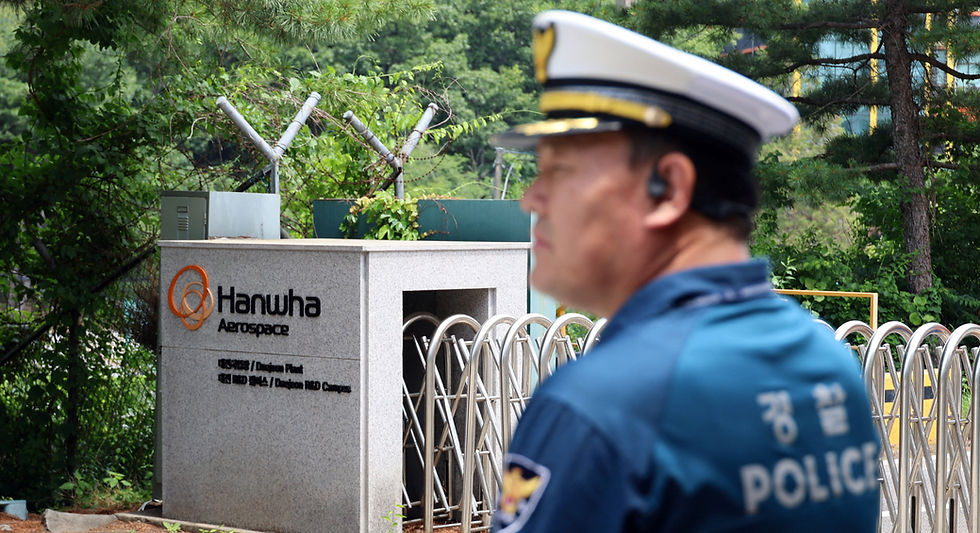
Five dead, two injured in fire at Hanwha Aerospace plant in South Korea
GET IN TOUCH
desk@myparaluman.ph
Tektite Towers (East), Exchange Road
Ortigas Center. San Antonio 1600
City of Pasig, NCR, Philippines
+63284298877
MENU
© 2026 Paraluman News Publication