
Prostate cancer drug reduces risk of cancer spread and death in late-stage study
Late-stage trial data showed that adding Erleada to hormone therapy before and after prostate surgery significantly improved outcomes for patients with high-risk prostate cancer. Researchers say the findings could reshape treatment approaches by helping reduce recurrence, disease progression and death.
Sneha S K/Reuters
May 31, 2026

White tablets scattered on a surface, illustrating medication and pharmaceutical healthcare courtesy of James Yarema/Unsplash via Wix.
James Yarema/Unsplash via Wix
Johnson & Johnson's JNJ.N prostate cancer drug Erleada used with hormone-blocking therapy six months before and after prostate surgery improved the chances of eliminating the cancer and reduced the risk of disease progression or death, according to data from a late-stage trial presented on Sunday.
The study, which followed patients for over five years, found that those who received the regimen were nine times more likely to have little to no detectable cancer in the prostate at the time of surgery compared with those given testosterone-blocking therapy alone.
The addition of Erleada also reduced the risk of the cancer spreading or death by 20%, the company said.
The data, presented at the American Society of Clinical Oncology meeting in Chicago, is likely to change how doctors approach treatment of men with high-risk localized or locally advanced prostate cancer. Currently, surgery to remove the prostate and radiation therapy are the standard of care for such patients.
About 40% of the 330,000 people diagnosed with prostate cancer in the U.S. are considered high-risk, J&J said.
The study also looked at a full year of treatment with Erleada and hormone therapy before and after surgery.
Among those patients, men who received the combination therapy on average went more than six years before requiring subsequent treatment, nearly double the time for the hormone therapy alone group. The longer therapy with Erleada also reduced the risk of recurrence and death by 29%.
Nearly half of patients who receive the current standard prostate-removal surgery and radiation see their cancer return and require additional treatment, J&J said.
'PARADIGM CHANGING'
Erleada, known chemically as apalutamide, belongs to a class of drugs called androgen receptor pathway inhibitors that block signals that drive prostate-cancer growth.
"No ARPIs are approved for localized high-risk prostate cancer with either surgery or radiation. So the (data) would be paradigm changing," said Dr. Mary-Ellen Taplin, the study's lead researcher from Dana-Farber Cancer Institute in Boston.
The trial enrolled more than 2,000 patients with high-risk localized or locally advanced prostate cancer who were candidates for prostate gland removal surgery.
At the time of surgery, 8.9% of patients who received the combination treatment had little to no detectable cancer, compared with 1% of those receiving hormone therapy alone.
"The patient benefit here is unequivocal," Mark Wildgust, J&J's medical affairs lead for oncology, said in an interview. "I think that the evidence is really showing that Erleada is adding something that we had not seen before."
Widely used ARPIs include Pfizer's PFE.N Xtandi and Bayer's BAYGn.DE Nubeqa.
The safety profile of the Erleada combination treatment was consistent with previous studies, J&J said. Common side effects among patients who received the treatment include hot flushes, urinary incontinence and erectile dysfunction.
Erleada won U.S. approval in 2018 and is currently used in combination with hormone therapy that suppresses production of testosterone, which drives prostate-cancer growth.
The company said it plans to work with regulators to get the combination therapy approved globally for earlier stages of prostate cancer.
-Reporting by Sneha S K in Bengaluru; Editing by Bill Berkrot/Reuters
TOP HEALTH STORIES

WHO chief to meet Congo president, as aid group warns Ebola likely spread undetected for months

Ebola recoveries bring signs of hope in DRC as suspected cases emerge outside Africa
Prostate cancer drug reduces risk of cancer spread and death in late-stage study
LATEST NEWS

53 rescuers work together to save man stuck in deep Italian cave

Israel's Netanyahu orders attacks in Beirut's southern suburbs
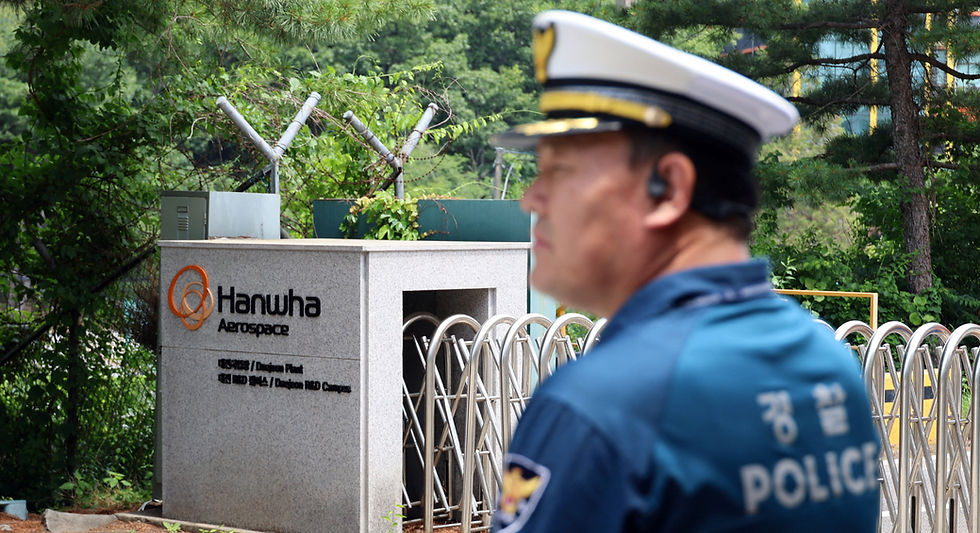
Five dead, two injured in fire at Hanwha Aerospace plant in South Korea
GET IN TOUCH
desk@myparaluman.ph
Tektite Towers (East), Exchange Road
Ortigas Center. San Antonio 1600
City of Pasig, NCR, Philippines
+63284298877
MENU
© 2026 Paraluman News Publication