
Nigerian HIV volunteers go door-to-door to keep patients alive after US aid freeze
Nigerian volunteers are going door-to-door in Benue State to keep HIV patients on life-saving treatment after a temporary U.S. aid freeze disrupted medication supplies. Their efforts have helped reconnect over 1,000 people to care, highlighting the vital role of local support amid global funding uncertainties.
Reuters
March 31, 2026

FILE PHOTO: A silhouette of a woman living with HIV, as sits in her home in Makurdi, Benue State, Nigeria, February 12, 2026.
Marvellous Durowaiye/Reuters
Josephine Angev, a 40-year-old volunteer, walks the dusty paths in the neighbourhoods of Benue State in Nigeria with a crucial mission: persuading HIV-positive patients to continue life-saving medications after a U.S. aid halt in early 2025 left thousands without consistent treatment.
Angev is part of a network of "HIV champions" mobilized by the African Community Advisory Board (AFROCAB), a non-profit group of HIV-positive volunteers, to mitigate the aftermath of a 90-day freeze on U.S. foreign aid in January 2025 under US President, Donald Trump. The halt disrupted Nigeria's HIV treatment network, funded mainly by the President's Emergency Plan for AIDS Relief (PEPFAR), which had contributed up to 90% of HIV treatment costs in the country.
"Some of them don't know why they should not miss their treatment because they don't understand the implication," Angev said. "So when you go to their doorsteps and you explain to them the importance of the treatment, they understand better."
The pause caused widespread shortages and clinic closures. In Benue's capital Makurdi, all ten treatment centres shut down for a month. Patients who once received six-month supplies now scrambled for one- or two-week allocations, while others saw their options vanish entirely.
Evelyn Terver, coordinator of the Association of Positive Youths Living with HIV/AIDS in Benue, described the wave of anxiety that followed. "Everybody was becoming scared that how will they be able to afford this medication in one-one month or three-three months?"
Volunteers quickly mobilized, using patient registers to locate addresses and phone numbers. They went door-to-door, urging patients to return to re-opened clinics and countering misinformation about treatment gaps. "When we call, we discovered that the numbers are going through, we will tell them that we are here working, they should come and get their drugs," said Dinah Adaga, a Benue coordinator for the network.
Their efforts yielded significant results. Between June and December 2025, volunteers helped reconnect over 1,000 people, including 95 children under five, to treatment across the region.
The crisis highlights Benue's role as a critical battleground in Nigeria's struggle against HIV. With over 200,000 people receiving treatment, it ranks second only to Rivers State in the number of HIV-positive individuals. Nationally, Nigeria is home to nearly two million people living with the virus, according to UNAIDS, of whom approximately 1.7 million were on treatment at the end of 2025.
While the ripple effects of the U.S. aid freeze have eased, the volunteers' work illustrates the precariousness of relying on foreign aid for health programs in one of the world's largest HIV-burdened countries.
Production: Abraham Achirga, Kazeem Sanni, Angela Ukomadu/Reuters
TOP HEALTH STORIES

WHO chief to meet Congo president, as aid group warns Ebola likely spread undetected for months

Ebola recoveries bring signs of hope in DRC as suspected cases emerge outside Africa

Prostate cancer drug reduces risk of cancer spread and death in late-stage study
LATEST NEWS

53 rescuers work together to save man stuck in deep Italian cave

Israel's Netanyahu orders attacks in Beirut's southern suburbs
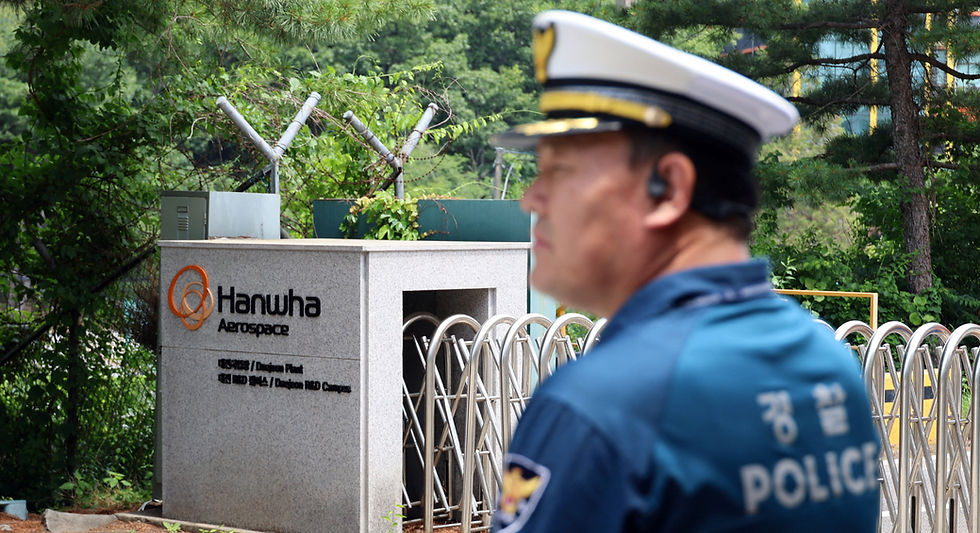
Five dead, two injured in fire at Hanwha Aerospace plant in South Korea
GET IN TOUCH
desk@myparaluman.ph
Tektite Towers (East), Exchange Road
Ortigas Center. San Antonio 1600
City of Pasig, NCR, Philippines
+63284298877
MENU
© 2026 Paraluman News Publication