
Bali steps up waste sorting as landfill ban takes effect
Bali is enforcing new waste-sorting rules as it phases out its largest landfill, urging households and communities to adopt stricter recycling practices. The shift comes amid growing pressure to manage the island’s waste problem and protect its tourism appeal.
Reuters
3 May 2026 at 14:06:14

An image showing the national flag of Indonesia courtesy of Mufid Majnun/Unsplash via Wix
Mufid Majnun/Unsplash via Wix
t temporary waste collection sites across Bali, communities are adjusting to new rules reshaping how the island handles its growing rubbish problem.
Signs at neighbourhood collection points indicate which type of trash is accepted each day — including "inorganic waste only" — as workers sort plastic bottles and packaging into large sacks. The changes come as Bali prepares for the phased shutdown of its largest landfill, the 32-hectare Suwung site in Denpasar, the biggest landfill on the island.
Local resident Putu Suwardi Widiyadharma said waste sorting must become a culture, not just a regulation.
"The culture of cleanliness for this waste sorting in Bali must really be implemented," he said. "Organic waste can be used for fertilizer and compost, helping farmers as prices go up. For inorganic waste, the government can collaborate with industries to process plastics and recyclable materials."
Banners at the Suwung landfill underline the shift. On April 1, 2026, the Bali provincial government enacted a ban on organic waste at the Suwung landfill, a site that has operated for more than four decades. Officials say the landfill will only receive residual waste until the end of July, before closing permanently on Aug. 1, 2026.
The Bali provincial government said it is accelerating the strengthening of a source-based waste management system as the landfill's capacity has been exceeded. Authorities are urging households to sort waste at home and make greater use of community-based facilities such as integrated waste processing sites.
Some residents have resorted to burning garbage or throwing it into rivers after the Suwung landfill restricted collection ahead of its Aug. 1 closure.
Inside the landfill, excavators continue to move towering piles of trash as scavengers search through plastic waste. Trucks exit after inspections, while officers at checkpoints examine loads, ensuring no organic waste enters the site. Vehicles carrying unsuitable waste are turned away.
But Bali's waste challenge remains highly visible beyond the landfill — especially in its most visited tourist areas.
At the entrance to Kuta Beach, welcome signs lead visitors toward surfers and rolling waves. Along nearby sidewalks, tourists weave around piles of garbage near cafés, traffic-clogged alleys and motorcycle parking areas.
German tourist Daniel Heres said responsible waste management is essential for destinations like Bali.
"The trash is a very big problem," he said. "You have such a nice island and trash everywhere. You must respect nature." He added that unmanaged trash threatens the island's appeal.
Indonesian tourist Khairul Anam, from East Java, said he supports Bali's waste sorting policy, calling it a necessary step.
As tourists fill sidewalks around Kuta and landmarks like the Ground Zero Monument, Bali's push to clean up its waste — through landfill closures and stricter sorting rules — is becoming inseparable from the image of the island itself.
The government plans to begin construction in June on several waste-to-energy projects, including one in Bali expected to process around 1,200 tons of waste per day, though officials say such facilities may take years to become operational.
Production: Sultan Anshori, Heru Asprihanto/Reuters
LIFESTYLE STORIES

Add a Title
Add a Title
Add a Title

Russian return to Biennale rattles Venice ahead of opening

With wood scarce, Gaza carpenters make simple beds from pallets

Fire and tradition: Thai temples unite to keep ancient rocket festival alive
LATEST STORIES
Add a Title
Add a Title
Add a Title

FACTBOX: What we know about the cruise ship passengers affected by hantavirus

UAE restricts airspace after Iranian missile, drone attack
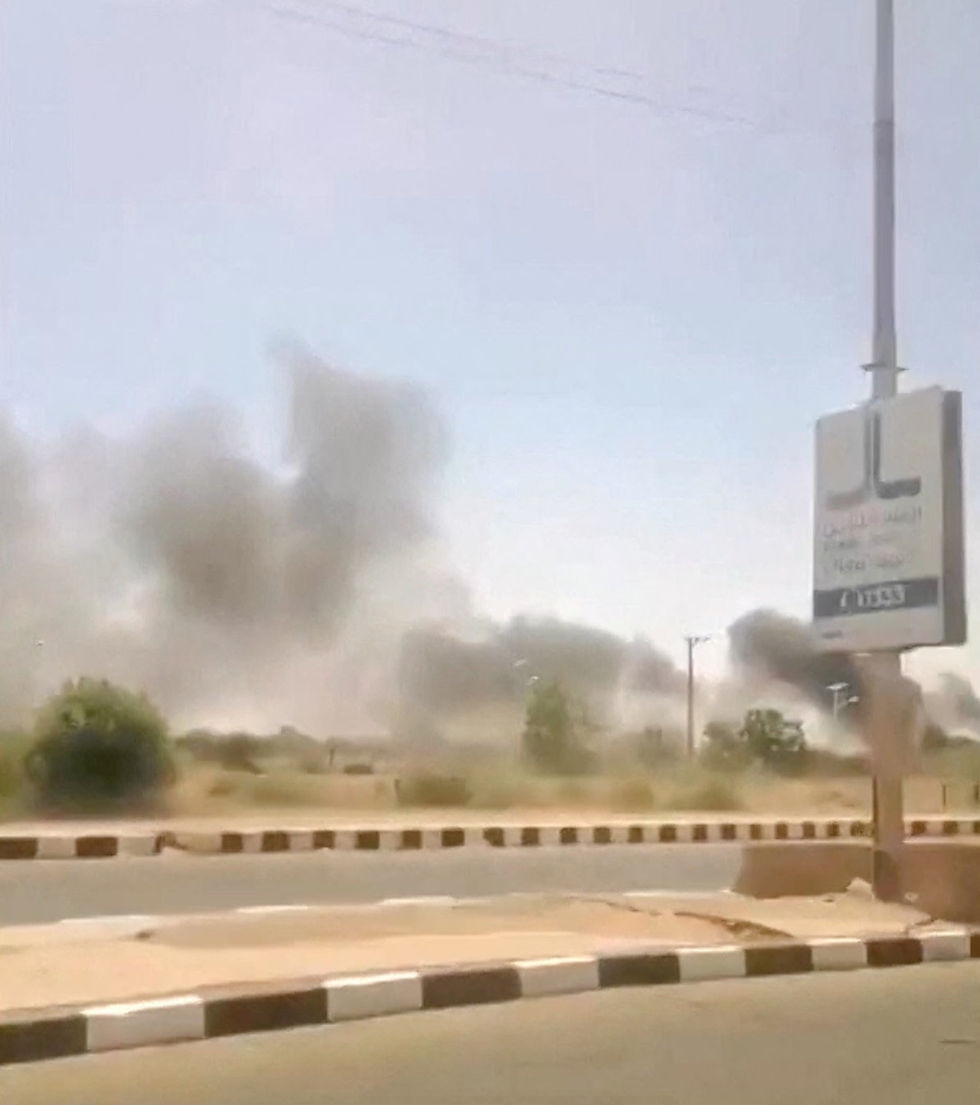
Drone attacks shatter months of relative calm in Sudan
PARALUMAN NEWS
GET IN TOUCH
desk@myparaluman.ph
Tektite Towers (East), Exchange Road
Ortigas Center. San Antonio 1600
City of Pasig, NCR, Philippines
MENU
EDITORIAL STANDARDS
© 2025 Paraluman News Publication