

Iranians in Spain reject foreign intervention in Iran
Iranians in Madrid urge against foreign intervention as deadly protests continue at home, warning external pressure won’t bring peace or democracy.
Reuters
January 12, 2026

Spanish Prime Minister Pedro Sanchez and Greek Prime Minister Kyriakos Mitsotakis leave at the end of a joint press conference at Moncloa Palace in Madrid, Spain, January 12, 2026.
Susana Vera/Reuters
Iranians living in Madrid said on Monday (January 12) they did not want foreign intervention in their home country after the government's deadly crackdown on nationwide protests.
The protests began in response to soaring prices that have worsened daily hardships, before turning against the clerical rulers who have governed for more than 45 years.
U.S.-based rights group HRANA said it had verified the deaths of 544 people - 496 protesters and 48 security personnel, with 10,681 people arrested since the protests began on December 28 and spread around the country.
President of the Iranian Association for Human rights in Spain, Fariba Ehsan, said that an intervention from Trump or Spain wouldn’t bring peace or democracy to the country.
Iranians living abroad are also concerned because they haven’t been able to contact their loved ones for several days.
In previous years, people in Iran had faced problems with communication, but nothing like the current communications blackout, said Ahmad Teheri, President of Persepolis intercultural centre in Madrid.
U.S. President Donald Trump said on Sunday (January 12) the U.S. may meet Iranian officials and he was in contact with Iran's opposition, while piling pressure on its leaders, including threatening possible military action over lethal violence against protesters. Iran leaders said on Monday they were keeping communications open with Trump.
Production: Leonardo Benassatto, Nina Lopez/Reuters
Iranians living in Madrid said on Monday (January 12) they did not want foreign intervention in their home country after the government's deadly crackdown on nationwide protests.
The protests began in response to soaring prices that have worsened daily hardships, before turning against the clerical rulers who have governed for more than 45 years.
U.S.-based rights group HRANA said it had verified the deaths of 544 people - 496 protesters and 48 security personnel, with 10,681 people arrested since the protests began on December 28 and spread around the country.
President of the Iranian Association for Human rights in Spain, Fariba Ehsan, said that an intervention from Trump or Spain wouldn’t bring peace or democracy to the country.
Iranians living abroad are also concerned because they haven’t been able to contact their loved ones for several days.
In previous years, people in Iran had faced problems with communication, but nothing like the current communications blackout, said Ahmad Teheri, President of Persepolis intercultural centre in Madrid.
U.S. President Donald Trump said on Sunday (January 12) the U.S. may meet Iranian officials and he was in contact with Iran's opposition, while piling pressure on its leaders, including threatening possible military action over lethal violence against protesters. Iran leaders said on Monday they were keeping communications open with Trump.
Production: Leonardo Benassatto, Nina Lopez/Reuters
TOP POLITICAL STORIES

Add a Title
Add a Title
Add a Title

Portugal presidential race wide open with far-right just ahead, rare runoff vote is likely

Brazil billionaire Batista met with Venezuela's Rodriguez, U.S. officials

EXPLAINER: Who makes up Iran's fragmented opposition?
LATEST NEWS
Add a Title
Add a Title
Add a Title
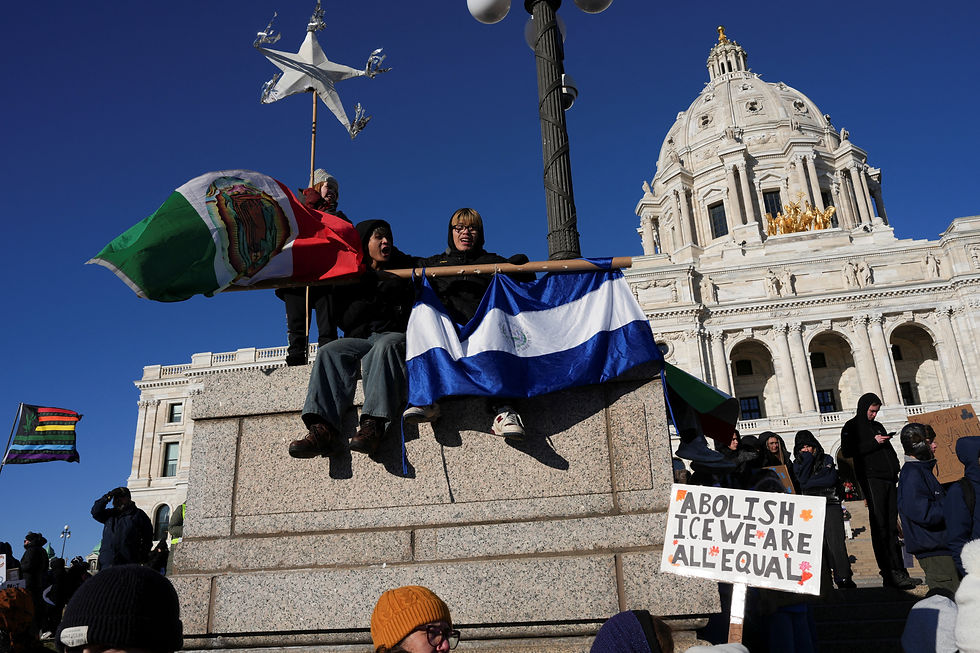
Students protest against ICE outside Minnesota State Capitol

Astronauts begin early return flight from space station with ailing crew member

Iran temporarily closes airspace to most flights
GET IN TOUCH
MENU
EDITORIAL STANDARDS
© 2025 Paraluman News Publication