

Iran's rulers face legitimacy crisis amid spreading unrest
Iran faces a mounting legitimacy crisis as nationwide protests, driven by economic hardship and frustration with the clerical establishment, challenge the Islamic Republic’s decades-old rule. Security clashes, arrests, and widespread demonstrations highlight a generational divide and growing disillusionment with the regime’s priorities.
Parisa Hafezi/Reuters
January 9, 2026

FILE PHOTO: Iran's Supreme Leader Ayatollah Ali Khamenei speaks during a meeting in Tehran, Iran January 3, 2026.
Supreme Leader/WANA (West Asia News Agency)/Reuters
With Iran’s anti-government protests evolving rapidly and mounting foreign pressure, the clerical establishment appears, for now, unable to address a deepening crisis of legitimacy at the heart of the Islamic Republic.
The demonstrations, which began in Tehran last month, have spread to all 31 provinces, though they have not yet reached the scale of the 2022-2023 unrest sparked by the death of Mahsa Amini while in custody for allegedly violating Islamic dress codes.
Starting with shopkeepers in Tehran’s Grand Bazaar angered by a sharp slide in the rial, the latest protests now involve mainly young men, rather than the women and girls who were central to the Amini protests.
The U.S.-based Human Rights Activists News Agency (HRANA) reports at least 34 protesters and four security personnel killed, with 2,200 arrests so far. Analysts say the unrest highlights a broader disillusionment with the Shi’ite status quo.
“The collapse is not just of the rial, but of trust,” said Alex Vatanka, director of the Iran Program at the Middle East Institute in Washington, D.C.
Authorities have tried a dual approach, recognizing that protests over the economy are legitimate and promising dialogue, while responding to some demonstrations with tear gas amid violent street clashes.
Nearly five decades after the Islamic Revolution, Iran’s religious leaders struggle to bridge the gap between their priorities and the expectations of a young, increasingly frustrated population.
“I just want to live a peaceful, normal life… Instead, they insist on a nuclear program, supporting armed groups in the region, and maintaining hostility toward the United States,” Mina, 25, told Reuters by phone from Kuhdasht in western Lorestan province.
“Those policies may have made sense in 1979, but not today. The world has changed,” said the unemployed university graduate.
Protesters Take Over the Streets
A former senior official from the establishment’s reformist wing said Iran’s core ideological pillars—from enforced dress codes to foreign policy choices—no longer resonate with those under 30, who make up nearly half the population.
“The younger generation no longer believes in revolutionary slogans — it wants to live freely,” he said.
While the hijab was a flashpoint during the Amini protests, it is now being enforced selectively, with many women openly refusing to wear it in public.
Protesters have also voiced anger over Tehran’s support for regional militants, chanting slogans such as “Not Gaza, not Lebanon, my life for Iran,” signaling frustration with the establishment’s priorities.
Iran’s regional influence has been weakened by Israeli attacks on its proxies—from Hamas in Gaza to Hezbollah in Lebanon, the Houthis in Yemen, and militias in Iraq—as well as the ousting of close ally Syrian dictator Bashar al-Assad.
In a video shared on X and verified by Reuters, protesters in Mashhad, Iran’s second-most-populated city, tore down a large Iranian flag. Videos also show clashes with security forces in Tehran’s Grand Bazaar and cheering protesters marching through Abdanan in Ilam province.
In another video from Gonabad, young men were seen rushing out of a seminary mosque to join a crowd of protesters in an apparent revolt against the clergy.
No Easy Way Out for Iran’s Supreme Leader
Vatanka said the Iranian clerical system has survived repeated protest cycles through repression and tactical concessions, but this strategy is reaching its limits.
“Change now looks inevitable; regime collapse is possible but not guaranteed,” he said.
Elsewhere in the region, leaders in Syria, Libya, and Iraq fell only after a combination of protests and military intervention.
Former U.S. President Donald Trump indicated he might support Iranian protesters if security forces fired on them, posting on January 2: “We are locked and loaded and ready to go,” seven months after Israeli and U.S. forces bombed Iranian nuclear sites.
Supreme Leader Ayatollah Ali Khamenei, facing one of the most precarious moments of his decades-long rule, vowed Iran “will not yield to the enemy.”
A former Iranian official said there is no easy solution for the 86-year-old leader, whose long-standing policies of building proxies, evading sanctions, and advancing nuclear and missile programs are unraveling.
Israeli Prime Minister Benjamin Netanyahu praised the protests, calling them “a decisive moment in which the Iranian people take their futures into their hands.”
Inside Iran, opinions are divided on the possibility or desirability of foreign military intervention. Even government critics worry about the consequences.
“Enough is enough. For 50 years this regime has ruled my country. Look at the result. We are poor, isolated, and frustrated,” said a 31-year-old man in Isfahan, speaking anonymously.
Asked about foreign intervention, he said: “No. I don’t want my country to suffer military strikes again. We want peace and friendship with the world — without the Islamic Republic.”
Exiled opponents of the Iranian government, themselves divided, have called for more protests, but the level of support inside Iran remains uncertain.
-Reporting by Parisa Hafezi; Editing by Philippa Fletcher/Reuters
With Iran’s anti-government protests evolving rapidly and mounting foreign pressure, the clerical establishment appears, for now, unable to address a deepening crisis of legitimacy at the heart of the Islamic Republic.
The demonstrations, which began in Tehran last month, have spread to all 31 provinces, though they have not yet reached the scale of the 2022-2023 unrest sparked by the death of Mahsa Amini while in custody for allegedly violating Islamic dress codes.
Starting with shopkeepers in Tehran’s Grand Bazaar angered by a sharp slide in the rial, the latest protests now involve mainly young men, rather than the women and girls who were central to the Amini protests.
The U.S.-based Human Rights Activists News Agency (HRANA) reports at least 34 protesters and four security personnel killed, with 2,200 arrests so far. Analysts say the unrest highlights a broader disillusionment with the Shi’ite status quo.
“The collapse is not just of the rial, but of trust,” said Alex Vatanka, director of the Iran Program at the Middle East Institute in Washington, D.C.
Authorities have tried a dual approach, recognizing that protests over the economy are legitimate and promising dialogue, while responding to some demonstrations with tear gas amid violent street clashes.
Nearly five decades after the Islamic Revolution, Iran’s religious leaders struggle to bridge the gap between their priorities and the expectations of a young, increasingly frustrated population.
“I just want to live a peaceful, normal life… Instead, they insist on a nuclear program, supporting armed groups in the region, and maintaining hostility toward the United States,” Mina, 25, told Reuters by phone from Kuhdasht in western Lorestan province.
“Those policies may have made sense in 1979, but not today. The world has changed,” said the unemployed university graduate.
Protesters Take Over the Streets
A former senior official from the establishment’s reformist wing said Iran’s core ideological pillars—from enforced dress codes to foreign policy choices—no longer resonate with those under 30, who make up nearly half the population.
“The younger generation no longer believes in revolutionary slogans — it wants to live freely,” he said.
While the hijab was a flashpoint during the Amini protests, it is now being enforced selectively, with many women openly refusing to wear it in public.
Protesters have also voiced anger over Tehran’s support for regional militants, chanting slogans such as “Not Gaza, not Lebanon, my life for Iran,” signaling frustration with the establishment’s priorities.
Iran’s regional influence has been weakened by Israeli attacks on its proxies—from Hamas in Gaza to Hezbollah in Lebanon, the Houthis in Yemen, and militias in Iraq—as well as the ousting of close ally Syrian dictator Bashar al-Assad.
In a video shared on X and verified by Reuters, protesters in Mashhad, Iran’s second-most-populated city, tore down a large Iranian flag. Videos also show clashes with security forces in Tehran’s Grand Bazaar and cheering protesters marching through Abdanan in Ilam province.
In another video from Gonabad, young men were seen rushing out of a seminary mosque to join a crowd of protesters in an apparent revolt against the clergy.
No Easy Way Out for Iran’s Supreme Leader
Vatanka said the Iranian clerical system has survived repeated protest cycles through repression and tactical concessions, but this strategy is reaching its limits.
“Change now looks inevitable; regime collapse is possible but not guaranteed,” he said.
Elsewhere in the region, leaders in Syria, Libya, and Iraq fell only after a combination of protests and military intervention.
Former U.S. President Donald Trump indicated he might support Iranian protesters if security forces fired on them, posting on January 2: “We are locked and loaded and ready to go,” seven months after Israeli and U.S. forces bombed Iranian nuclear sites.
Supreme Leader Ayatollah Ali Khamenei, facing one of the most precarious moments of his decades-long rule, vowed Iran “will not yield to the enemy.”
A former Iranian official said there is no easy solution for the 86-year-old leader, whose long-standing policies of building proxies, evading sanctions, and advancing nuclear and missile programs are unraveling.
Israeli Prime Minister Benjamin Netanyahu praised the protests, calling them “a decisive moment in which the Iranian people take their futures into their hands.”
Inside Iran, opinions are divided on the possibility or desirability of foreign military intervention. Even government critics worry about the consequences.
“Enough is enough. For 50 years this regime has ruled my country. Look at the result. We are poor, isolated, and frustrated,” said a 31-year-old man in Isfahan, speaking anonymously.
Asked about foreign intervention, he said: “No. I don’t want my country to suffer military strikes again. We want peace and friendship with the world — without the Islamic Republic.”
Exiled opponents of the Iranian government, themselves divided, have called for more protests, but the level of support inside Iran remains uncertain.
-Reporting by Parisa Hafezi; Editing by Philippa Fletcher/Reuters
TOP POLITICAL STORIES

Add a Title
Add a Title
Add a Title

Portugal presidential race wide open with far-right just ahead, rare runoff vote is likely

Brazil billionaire Batista met with Venezuela's Rodriguez, U.S. officials

EXPLAINER: Who makes up Iran's fragmented opposition?
LATEST NEWS
Add a Title
Add a Title
Add a Title
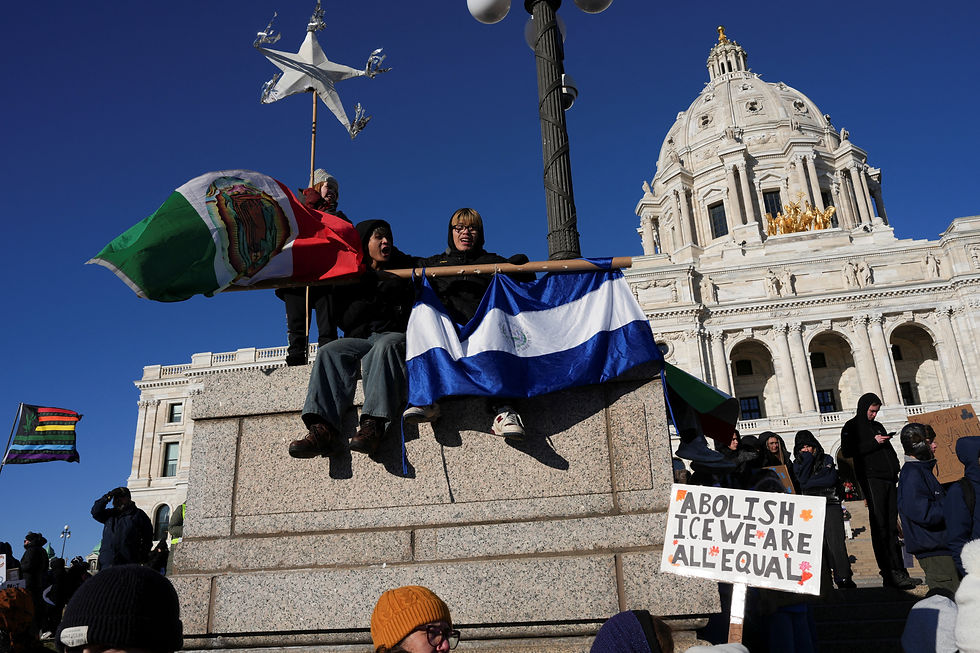
Students protest against ICE outside Minnesota State Capitol

Astronauts begin early return flight from space station with ailing crew member

US to suspend immigrant visa processing for 75 nations
GET IN TOUCH
MENU
EDITORIAL STANDARDS
© 2025 Paraluman News Publication