

US Senate to vote on reining in Trump on Venezuela
The vote follows the capture of Venezuelan President Nicolas Maduro and growing bipartisan concern that the administration bypassed Congress on military action. Backers say shifting Republican support could give the war powers measure a narrow chance of passage.
Patricia Zengerle/Reuters
January 8, 2026

U.S. Secretary of State Marco Rubio and U.S. Defense Secretary Pete Hegseth wait to speak to the media while other Senators finish on the day of a briefing for the House of Representatives on the situation in Venezuela, on Capitol Hill in Washington, D.C., U.S., January 7, 2026.
Evelyn Hockstein/Reuters
The U.S. Senate is due to consider a resolution on Thursday that would block President Donald Trump from taking further military action against Venezuela without congressional authorization, and backers said the measure could pass in a close vote.
Days after U.S. forces captured Venezuelan President Nicolas Maduro in a dramatic military raid in Caracas, senators will vote on the latest in a series of war powers measures introduced since the administration ramped up military pressure on the country with attacks on boats off its coast in September.
Republicans have blocked all of the measures, but the last vote was just 49-51, as two senators from Trump's party joined Democrats in backing a resolution in November. Administration officials had told lawmakers at that time that they did not plan regime change or strikes on Venezuelan territory.
After Maduro's capture, some lawmakers have accused the administration of misleading Congress, including Democrats publicly and some Republicans behind the scenes.
"I spoke to at least two Republicans today who did not vote for this resolution previously who are thinking about it," Senator Rand Paul, a Kentucky Republican who is co-sponsoring the resolution, told a news conference ahead of the vote.
"I can't guarantee you how they vote, but at least two are thinking about it, and some of them are talking publicly about their misgivings over this," Paul said, speaking beside Democratic Senator Tim Kaine of Virginia, another leader of the resolution.
He did not identify the Republicans. Trump's party holds a 53-47-seat majority in the Senate.
HURDLES AHEAD
Senate passage would be a significant victory for the lawmakers who have been pushing the war powers issue.
But to become law, the resolution would have to pass the Republican-led House of Representatives and survive an expected Trump veto, which would require two-thirds majorities in both chambers.
The lawmakers acknowledged the hurdles, but said some Republicans may be wary of a prolonged and expensive campaign of regime change in Venezuela. Trump on Wednesday said on his Truth Social website that he wanted the U.S. military budget to increase to $1.5 trillion from $1 trillion.
Kaine noted that U.S. forces have been striking Venezuelan boats for months, and mentioned Trump's statement that the U.S. would "run" Venezuela as well as the seizures of Venezuelan oil, saying: "This is not a surgical arrest operation by any stretch."
The U.S. Constitution requires any president to obtain Congress' approval before launching a prolonged military operation.
Senators who oppose the war powers resolution say the seizure of Maduro is a law enforcement operation, not a military action. Maduro faces trial in a U.S. court on drug and guns charges, to which he has pleaded not guilty. They also say that Trump is within his rights as commander-in-chief to launch limited military actions he feels are necessary for national security.
-Patricia Zengerle/Reuters
The U.S. Senate is due to consider a resolution on Thursday that would block President Donald Trump from taking further military action against Venezuela without congressional authorization, and backers said the measure could pass in a close vote.
Days after U.S. forces captured Venezuelan President Nicolas Maduro in a dramatic military raid in Caracas, senators will vote on the latest in a series of war powers measures introduced since the administration ramped up military pressure on the country with attacks on boats off its coast in September.
Republicans have blocked all of the measures, but the last vote was just 49-51, as two senators from Trump's party joined Democrats in backing a resolution in November. Administration officials had told lawmakers at that time that they did not plan regime change or strikes on Venezuelan territory.
After Maduro's capture, some lawmakers have accused the administration of misleading Congress, including Democrats publicly and some Republicans behind the scenes.
"I spoke to at least two Republicans today who did not vote for this resolution previously who are thinking about it," Senator Rand Paul, a Kentucky Republican who is co-sponsoring the resolution, told a news conference ahead of the vote.
"I can't guarantee you how they vote, but at least two are thinking about it, and some of them are talking publicly about their misgivings over this," Paul said, speaking beside Democratic Senator Tim Kaine of Virginia, another leader of the resolution.
He did not identify the Republicans. Trump's party holds a 53-47-seat majority in the Senate.
HURDLES AHEAD
Senate passage would be a significant victory for the lawmakers who have been pushing the war powers issue.
But to become law, the resolution would have to pass the Republican-led House of Representatives and survive an expected Trump veto, which would require two-thirds majorities in both chambers.
The lawmakers acknowledged the hurdles, but said some Republicans may be wary of a prolonged and expensive campaign of regime change in Venezuela. Trump on Wednesday said on his Truth Social website that he wanted the U.S. military budget to increase to $1.5 trillion from $1 trillion.
Kaine noted that U.S. forces have been striking Venezuelan boats for months, and mentioned Trump's statement that the U.S. would "run" Venezuela as well as the seizures of Venezuelan oil, saying: "This is not a surgical arrest operation by any stretch."
The U.S. Constitution requires any president to obtain Congress' approval before launching a prolonged military operation.
Senators who oppose the war powers resolution say the seizure of Maduro is a law enforcement operation, not a military action. Maduro faces trial in a U.S. court on drug and guns charges, to which he has pleaded not guilty. They also say that Trump is within his rights as commander-in-chief to launch limited military actions he feels are necessary for national security.
-Patricia Zengerle/Reuters
TOP POLITICAL STORIES

Add a Title
Add a Title
Add a Title

Philippine, Japan top diplomats commit to uphold rules-based order

NEWSMAKER: Maria Corina Machado revived Venezuela's opposition and won a Nobel Peace Prize

Senator Hontiveros tells DOH: Make it easier for patients in need to get medical aid
LATEST NEWS
Add a Title
Add a Title
Add a Title

Philippines, Japan sign new security pacts as regional tensions rise

On rogue cops, Senator Lacson says PNP needs 'leadership by example'
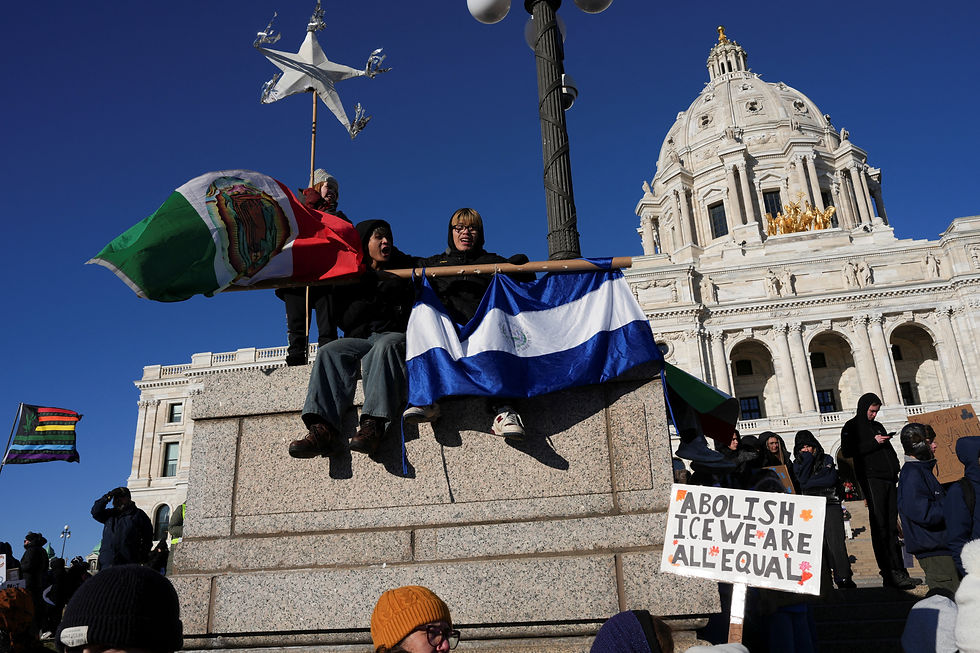
Students protest against ICE outside Minnesota State Capitol
GET IN TOUCH
MENU
EDITORIAL STANDARDS
© 2025 Paraluman News Publication