
Asian countries will need to keep their powder dry in preparation for future shocks even as they tackle an energy crisis caused by the Iran War, IMF Director for Asia Pacific Krishna Srinivasan said on Thursday.
IMF: Asia should keep policy in balance amid Middle East energy disruptions
Asian countries will need to keep their powder dry in preparation for future shocks even as they tackle an energy crisis caused by the Iran War, IMF Director for Asia Pacific Krishna Srinivasan said on Thursday.
April 30, 2026
Jun Yuan Yong/Reuters

FILE PHOTO: A view of the International Monetary Fund (IMF) logo at its headquarters in Washington, D.C., U.S., November 24, 2024.
Benoit Tessier/Reuters
SINGAPORE - Asian countries will need to keep their powder dry in preparation for future shocks even as they tackle an energy crisis caused by the Iran War, IMF Director for Asia Pacific Krishna Srinivasan said on Thursday.
With energy supplies running short due to the logjam in the Strait of Hormuz, southeast Asian economies have budgeted significant sums to cushion the impact of surging prices, and have also introduced measures to conserve energy, including work from home plans.
But Srinivasan, speaking at a media roundtable, warned countries against ramping up energy subsidies.
"If you give generalised subsidies, it's very hard to pull it back," he said, adding that countries should instead provide budget neutral and targeted fiscal support, and maintain fiscal discipline.
"In other words, cut elsewhere to support people who are being hit by the energy shock," he said.
Srinivasan said that while some markets, such as Thailand and China, can hold off on tightening monetary policy because they are in deflationary territory, markets already above their inflation targets, including Australia, need to start now.
He also noted that some markets, such as the Philippines, have decided to tighten preemptively to anchor inflation expectations, but he added that the IMF's advice would have been to see through the shock and wait to see if inflation really picks up in a meaningful way.
"You may want to take insurance upfront or you may want to wait and see so that you don't hurt growth ... it's a very difficult balance to strike as a central bank governor," he said.
The IMF cut its global GDP outlook for 2026 to 3.1% on April 14, assuming a short-lived Middle East conflict and oil prices normalising in the second half of the year.
However, IMF chief economist Pierre-Olivier Gourinchas warned that the fund's "adverse scenario" of 2.5% growth looked increasingly likely, with continued energy disruptions and no clear path to end the conflict.
Srinivasan said that if the Strait of Hormuz remains closed beyond the next three months and oil prices stay elevated for the rest of the year, the IMF's more severe growth scenarios will become more likely.
There are still downside risks to growth, with a number of uncertainties facing the world economy, including the duration of the energy crisis and the severity of fertiliser shortages, which could create a food supply shock, he said.
(Reporting by Jun Yuan Yong; Editing by David Stanway)
View Less
TOP BUSINESS STORIES

Add a Title
Add a Title
Add a Title
IMF: Asia should keep policy in balance amid Middle East energy disruptions

Senator Mark Villar: Transport, fisheries workers among sectors needing assistance amid energy crisis
_edited.jpg)
Trump to sign order expanding workers’ access to retirement plans — reports
LATEST NEWS
Add a Title
Add a Title
Add a Title

Israel intercepted ships carrying aid for Gaza in international waters, organizers say

Australian cops find body in search for missing 5-year-old indigenous girl
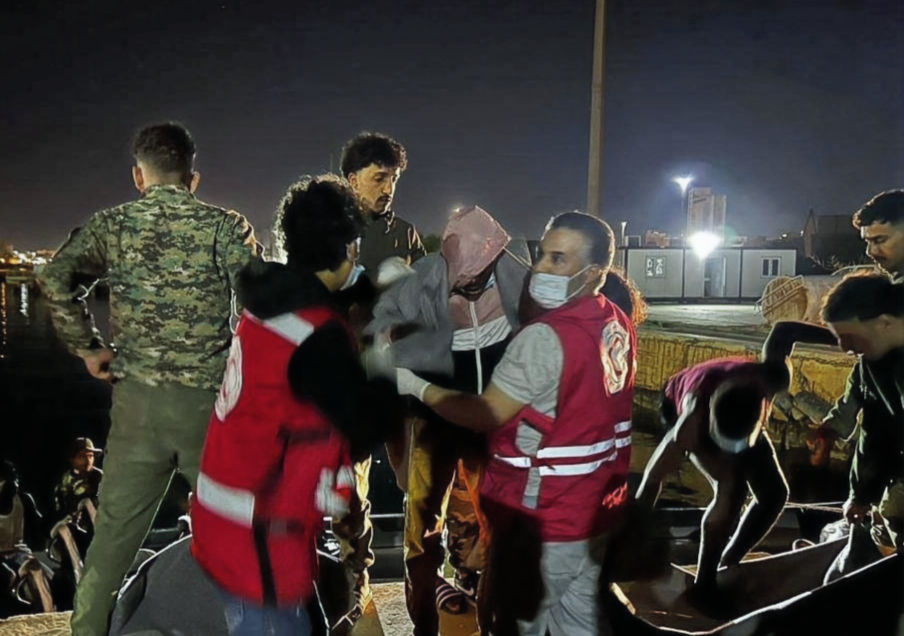
Libya: 17 migrants perish at sea, nine others missing feared dead
PARALUMAN NEWS
GET IN TOUCH
desk@myparaluman.ph
Tektite Towers (East), Exchange Road
Ortigas Center. San Antonio 1600
City of Pasig, NCR, Philippines
MENU
EDITORIAL STANDARDS
© 2025 Paraluman News Publication