
UNICEF: Afghanistan risks losing 25,000 female teachers, health workers if restrictions not lifted
A new UNICEF report warns that restrictions on girls’ education and women’s employment in Afghanistan could lead to a severe shortage of female teachers and health workers by 2030. The agency urges authorities to lift the bans to protect essential services and prevent long-term economic losses.
Jasper Ward/Reuters
28 April 2026 at 07:23:45

UNICEF logo mounted on a building facade courtesy of Pourya Gohari/Unsplash via Wix.
Pourya Gohari/Unsplash via Wix
Afghanistan is at risk of losing more than 25,000 female teachers and health workers by 2030 if the Taliban-led country's restrictions on girls' education and women's employment are not lifted, according to a new UNICEF report released on Monday.
The Taliban has banned women from most public sector jobs and limited girls to receiving an education only until the age of 12.
These restrictions, according to the report, have already affected at least 1 million girls - a figure that is expected to double by 2030 if nothing changes. UNICEF called on the Taliban to lift the ban that it imposed after returning to political power in 2021.
UNICEF's "The Cost of Inaction on Girls' Education and Women’s Labour Force Participation in Afghanistan" report found a rapid decline in qualified women entering the teaching and healthcare sectors.
Up to 20,000 female teachers and 5,400 health workers could be lost by 2030, according to the report, which estimated that this figure is about 25% of Afghanistan's 2021 workforce. As many as 9,600 health workers could be lost by 2035, it added.
"Afghanistan cannot afford to lose future teachers, nurses, doctors, midwives, and social workers, who sustain essential services," UNICEF Executive Director Catherine Russell said. "This will be the reality if girls continue to be excluded from education."
Female healthcare workers are required to attend to female patients, and female teachers are preferred for girls in gender-disaggregated schools whenever possible, the report noted.
The growing decrease could have at least a AFN 5.3 billion ($84 million) annual economic impact on Afghanistan's economy, according to UNICEF, which added that this is the equivalent of about 0.5% of the country's gross domestic product.
Afghanistan's de facto authorities should safeguard skills training and allow women to participate in the labor market, UNICEF said.
-Reporting by Jasper Ward in Washington; Editing by Daniel Wallis/Reuters
Afghanistan is at risk of losing more than 25,000 female teachers and health workers by 2030 if the Taliban-led country's restrictions on girls' education and women's employment are not lifted, according to a new UNICEF report released on Monday.
LATEST NEWS

Add a Title
Add a Title
Add a Title

Special forces arrest top Jalisco drug cartel leader 'El Jardinero' in Mexico
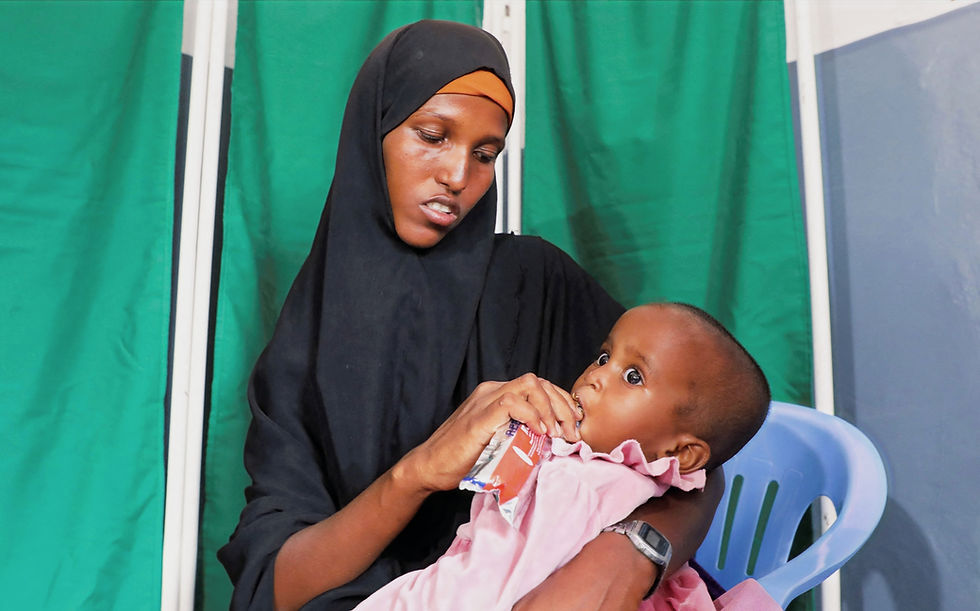
Disruptions from Iran war affected supplies for malnourished children in Somalia
UNICEF: Afghanistan risks losing 25,000 female teachers, health workers if restrictions not lifted
TOP SPORTS NEWS
Add a Title
Add a Title
Add a Title

BASEBALL: Cardinals rally in ninth to make Pirates' 6 2/3 perfect frames moot

NBA: Pat Riley plans to run Heat, not into retirement, at 81

SOCCER: Netherlands' Xavi Simons to miss World Cup with ACL injury
PARALUMAN NEWS
GET IN TOUCH
desk@myparaluman.ph
Tektite Towers (East), Exchange Road
Ortigas Center. San Antonio 1600
City of Pasig, NCR, Philippines
MENU
EDITORIAL STANDARDS
© 2025 Paraluman News Publication